Featured
Top Guidelines Of National Resources That Offer Financial...
Understanding Your The Ethics of Debt Relief: Balancing C...

Getting The Continued Guidance Such as Community Support ...
Understanding Your The Ethics of Debt Relief: Balancing Client Advocacy with Credit System Integrity Options and Qualifications Things To Know Before You Get This
Table of Contents
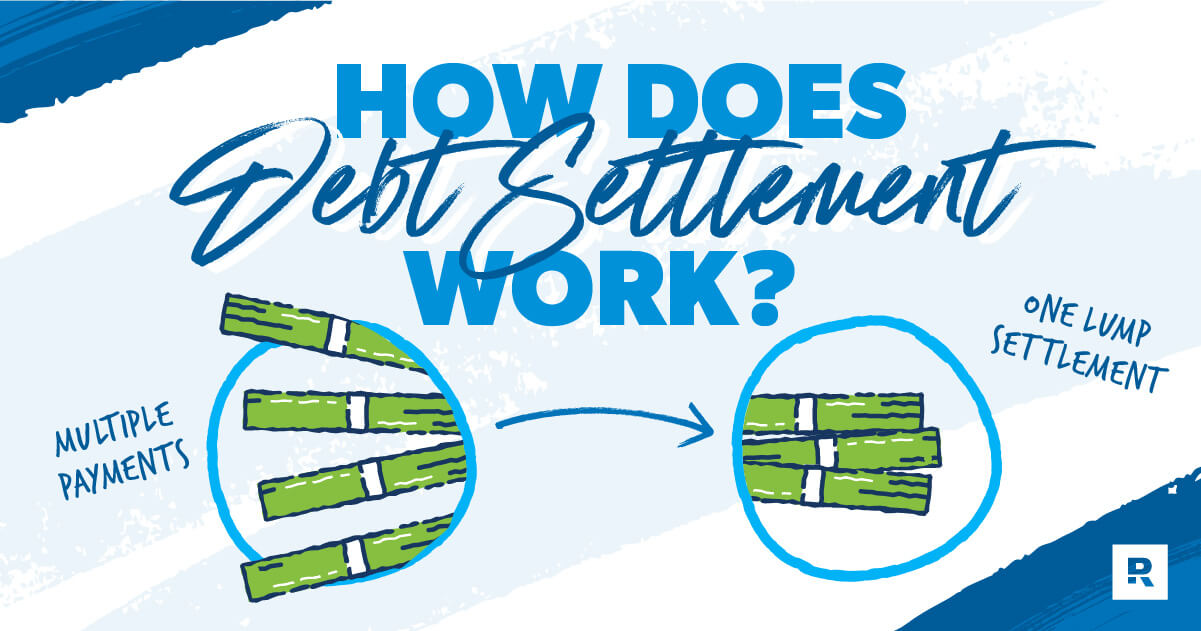
That frees up money in the short-term, and you might have 3 to 4 years to save toward the settlement quantity. Really damaging to credit report, mostly as a result of missed out on payments and an adverse "worked out" mark that can remain on your credit rating report for up to 7 yearsMay be just choice if various other options (financial debt consolidation, balance transfer debt cards, financial obligation mercy) aren't possibleTypically calls for a fee to the third celebration, which can balance out some or every one of the savings from financial obligation settlementMay help you avoid insolvency if you have actually missed several paymentsNot all financial institutions deal with financial debt settlement firms Financial obligation forgiveness might be best for you if you are experiencing a financial hardship that makes it nearly impossible to pay down your debt equilibriums.
With a DMP, you make one month-to-month settlement to the credit history therapy firm. Those funds are then distributed to financial institutions of your unsafe financial debts, such as charge card and installment finances. The company collaborates with your creditors to reduce rates of interest or forgo costs, but some financial institutions may refuse such concessions.
It can assist you pay down debt if you're able to protect a car loan price that's lower than the average rate of the accounts you're consolidating. You should abstain from racking up debt on those freshly cleared accounts or your financial obligation can grow also higher.

These cards commonly offer a 0% passion introductory period of up to 21 months. That provides you lots of time to get rid of or dramatically decrease your equilibrium while making interest-free payments. For some people dealing with overwhelming financial debt, bankruptcy may be the only means to stop collection proceedings and legally fix their financial debts.
Our Immediate Impact of Personal Credit History Diaries
You might require it if your lender or a debt collector ever tries to collect on the financial obligation in the future. The letter might show you don't owe what the debt collection agency's records reveal. Yes, in the majority of cases, the internal revenue service thinks about forgiven debt as taxable earnings. When a lender forgives $600 or even more, they are required to send you Type 1099-C.
Financial debt forgiveness or settlement usually injures your debt. Anytime you clear up a debt for less than you owe, it may look like "cleared up" on your credit report and impact your credit history for 7 years from the date of settlement. Your credit scores can likewise go down substantially in the months bring about the forgiveness if you drop behind on settlements.
The Single Strategy To Use For Understanding Your The Ethics of Debt Relief: Balancing Client Advocacy with Credit System Integrity Options Before You Decide
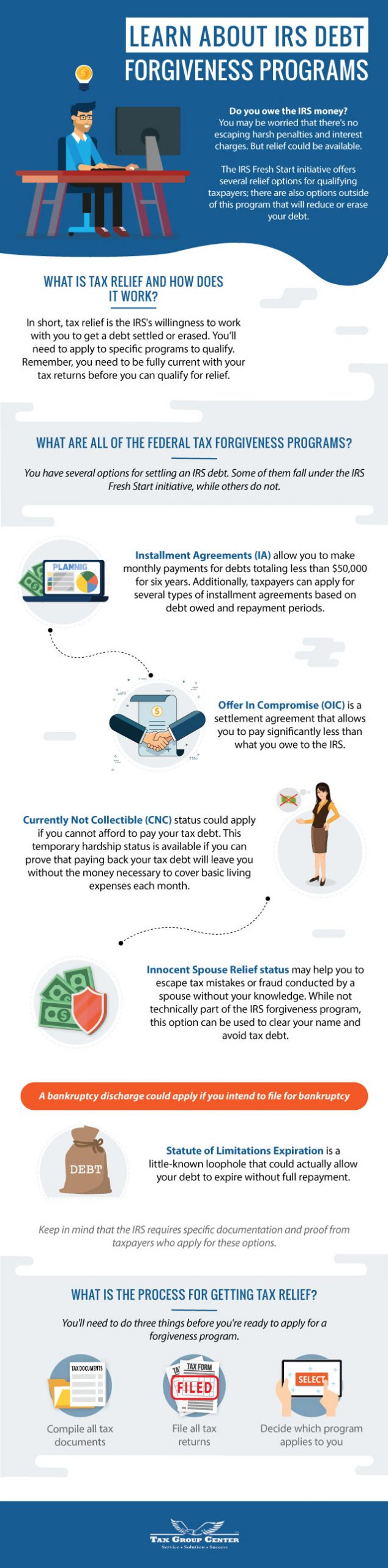
Tax financial obligation compromise programs Tax obligation financial debt happens when the amount of taxes you owe surpasses what you have paid. This circumstance commonly arises from underreporting income, not submitting returns promptly, or inconsistencies found throughout an IRS audit. The consequences of building up tax obligation debt are major and can include tax obligation liens, which offer the internal revenue service a lawful claim to your building as safety for the debt.
Greater rate of interest on offered credit scores. Earnings and Financial institution Accounts IRS can impose (take) incomes and savings account to satisfy the debt. Reduced revenue and disruption of vital monetary processes. Building Seizure In extreme situations, the internal revenue service can take and market home to cover the financial debt. Loss of important possessions and possible variation.
Clinical depression, anxiety, and other mental wellness concerns. Social Stigma Facing lawsuit from the internal revenue service can carry social stigma. Damage to credibility and relationships. Employment Opportunities A poor credit rating rating as a result of strain financial obligation can restrict work possibilities. Trouble searching for or maintaining a task. Federal government Benefits Tax financial debt might impact eligibility for federal government benefits, such as Social Security and Medicaid.
Rebuilding Your Credit History the Right Way - Truths
The OIC takes into consideration a number of factors, consisting of the taxpayer's earnings, expenditures, possession equity, and capacity to pay. Successfully bargaining an OIC can be complex, calling for a complete understanding of the internal revenue service's standards and a strong debate for why your deal aligns with your capability to pay. It is very important to note that not all applications are approved, and the process needs detailed monetary disclosure.
The IRS assesses your overall financial situation, including your earnings, expenditures, property equity, and capacity to pay. You need to also be existing with all declaring and repayment requirements and not be in an open personal bankruptcy case. The IRS additionally considers your conformity history, evaluating whether you have a document of timely declaring and paying taxes in previous years.
Examine This Report on Why The Ethics of Debt Relief: Balancing Client Advocacy with Credit System Integrity Matters
The application procedure for an Offer in Compromise entails numerous thorough actions. First, you should finish and submit internal revenue service Kind 656, the Deal in Compromise application, and Form 433-A (OIC), a collection details statement for people. These kinds require thorough monetary information, including information concerning your income, debts, costs, and assets.
Back taxes, which are unpaid taxes from previous years, can significantly raise your complete IRS financial obligation if not attended to without delay. This debt can build up rate of interest and late repayment fines, making the original quantity owed a lot bigger in time. Failure to repay taxes can lead to the IRS taking enforcement activities, such as providing a tax lien or levy versus your residential property.
It is essential to address back taxes immediately, either by paying the total owed or by organizing a layaway plan with the internal revenue service. By taking positive steps, you can avoid the buildup of additional passion and charges, and protect against much more hostile collection actions by the internal revenue service.
One usual factor is the idea that the taxpayer can pay the total either as a round figure or through a layaway plan. The internal revenue service likewise thinks about the taxpayer's earnings, expenses, property equity, and future earning possibility. If these factors suggest that the taxpayer can afford to pay more than the supplied quantity, the IRS is most likely to decline the deal.
Worth vs Self-Guided Options Things To Know Before You Get This
Dealing with IRS debt can be intricate and complicated. Tax specialists, such as CPAs, tax obligation lawyers, or registered agents, can supply indispensable support.

Table of Contents
Latest Posts
Top Guidelines Of National Resources That Offer Financial Assistance
The Shielding Yourself Against Fraudulent Schemes PDFs
Understanding Your The Ethics of Debt Relief: Balancing Client Advocacy with Credit System Integrity Options and Qualifications Things To Know Before You Get This
More
Latest Posts
Top Guidelines Of National Resources That Offer Financial Assistance
The Shielding Yourself Against Fraudulent Schemes PDFs